Electronic Wallets: Tap, Pay, or Trade Crypto – Here’s How!

Ever tapped your phone to pay for coffee or wondered how to safely store Bitcoin? Electronic wallets are your ticket to modern money management, replacing bulky wallets with digital ease. From Apple Pay to MetaMask, these tools power everything from grocery runs to crypto trades. Curious? Let’s break down how digital and crypto wallets work, why they’re awesome, and how to use them safely. Share your wallet experiences in the comments below!
What Are Electronic Wallets?
Electronic wallets store payment info or cryptocurrency, making transactions fast and secure. There are two types:
- Digital Wallets (e.g., Apple Pay, Google Wallet): Hold your credit/debit cards for quick payments at stores or online.
- Crypto Wallets (e.g., Coinbase Wallet, Ledger): Store private keys to manage cryptocurrencies like Bitcoin on a blockchain.
With digital payments expected to hit $16 trillion by 2028, and crypto buzzing, wallets are the future. Which type are you curious about?
How Do They Work?
- Digital Wallets: No blockchain here! They link to your bank or card, using NFC for tap-to-pay or QR codes for scanning. Apple Pay, for example, secures payments with tokenization (swapping card details for unique codes) and Face ID, processed via bank networks like Visa. It’s like your card, but faster.
- Crypto Wallets: Blockchain is key. They hold private keys to access your crypto on a decentralized ledger. Choose from:
- Hot Wallets: Apps like MetaMask for trading or DeFi apps.
- Cold Wallets: Hardware like Ledger for safe storage.
- Paper Wallets: Keys on paper, offline but tricky to use.
Sending Ethereum via Trust Wallet? Your key signs the transaction, and the blockchain logs it. Ever tried a crypto transaction? Tell us how it went!
Why Use Them?
- Digital Wallets: Tap to pay, skip the cash. They’re fast, secure with biometrics, and track spending. Some, like Google Wallet, offer cashback.
- Crypto Wallets: Control your assets without banks, trade globally, or dive into DeFi (e.g., lending). Hot wallets are easy; cold wallets keep big sums safe.
Costs and Insurance
- Digital Wallets: Free to use (e.g., Samsung Pay). Merchants pay ~2-3% fees, which might raise prices. No direct insurance, but linked cards often have fraud protection (e.g., Mastercard’s zero-liability policy).
- Crypto Wallets:
- Hot Wallets: Free apps, but blockchain fees (e.g., $1-$50 for Ethereum) apply.
- Cold Wallets: Hardware costs $50-$150 (e.g., Ledger ~$59).
- Paper Wallets: Free, but you need secure storage.
- No standard insurance. Lose your keys? Funds are gone. Some platforms like Coinbase offer limited hack protection, but user mistakes (e.g., phishing) aren’t covered.
Watch Out!
- Digital Wallets: Not every store takes them. You need a charged phone and internet. Weak device security risks theft.
- Crypto Wallets: Hot wallets can be hacked; cold wallets can be lost. Misplace your seed phrase (12-24 word backup)? Say goodbye to your crypto. Watch for fake apps mimicking MetaMask.
Stay Safe
- Digital Wallets: Use strong passwords, enable biometrics, check transactions.
- Crypto Wallets: Keep small amounts in hot wallets, big sums in cold wallets. Store seed phrases offline (never online!). Download apps from official stores.
- Tip: Avoid phishing links posing as wallet apps. Spot a scam lately? Share your story!
Try It Out!
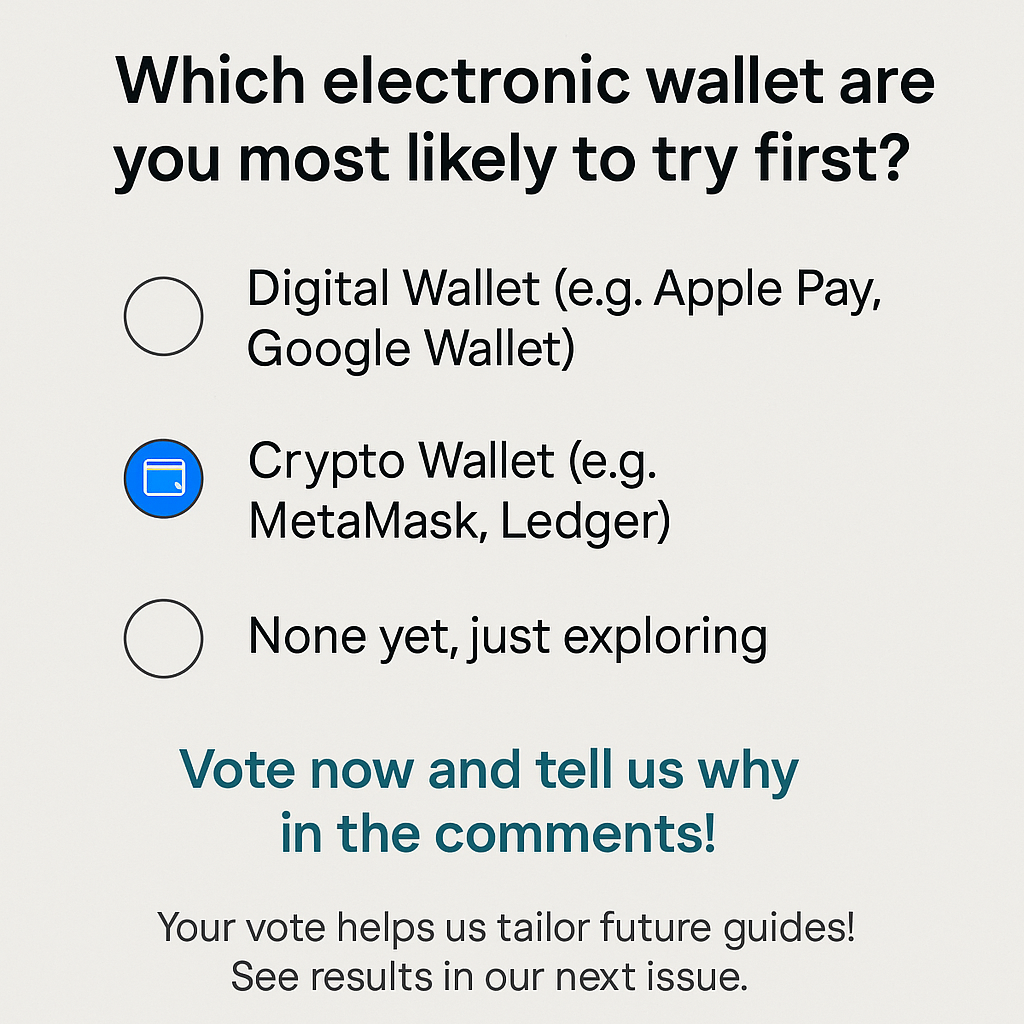
Digital wallets make shopping a breeze; crypto wallets unlock decentralized finance. Start with Google Wallet for daily purchases or Trust Wallet for crypto experiments. Download a wallet today and tell us which one you picked! Stay safe, and join the future of money.