How Chinese Capital Flow into Hong Kong Stocks Could Impact U.S.-China Trade and Trump’s Tariffs

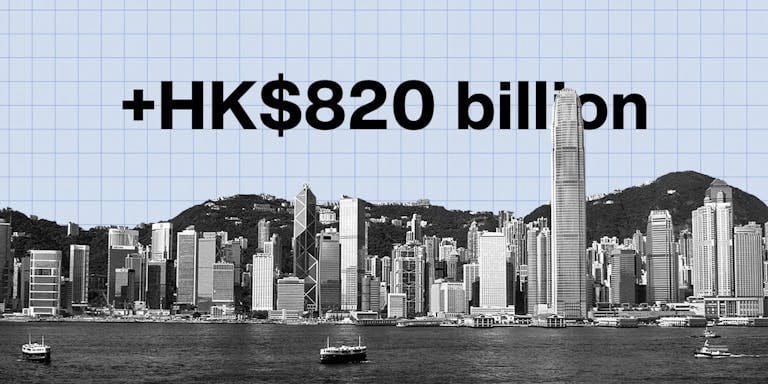
In 2025, an unprecedented HK$820 billion ($104 billion) has flooded into Hong Kong’s stock market from mainland Chinese investors, fueling a nearly 24% surge in the Hang Seng Index and making Hong Kong the world’s top destination for initial public offerings (IPOs). This massive capital flow, facilitated by the Stock Connect program, reflects Chinese investors’ frustration with low-yield mainland bonds and lackluster domestic stocks. But as this financial migration strengthens Hong Kong’s markets, it’s also rippling through the complex landscape of U.S.-China trade relations and President Donald Trump’s aggressive tariff policies. Here’s how this trend could shape the ongoing trade war and what it means for investors and global markets.
The Hong Kong Boom: A Symptom of Mainland Woes
Chinese investors are fleeing a mainland market hampered by deflation, a struggling property sector, and bond yields near historic lows (~2% for 10-year government bonds). The Hang Seng’s rally, alongside a four-year high in the Hang Seng China Enterprises Index, highlights the allure of Hong Kong-listed firms like Tencent and Baidu, which are thriving on China’s AI-driven tech strategy. This capital shift isn’t just about chasing returns—it’s a signal of deeper economic challenges in China, where growth is projected to slow to 4-5% in 2025, partly due to trade tensions.
Trump’s Tariff Onslaught: A 145% Wall on Chinese Goods
Since taking office in January 2025, President Trump has escalated the U.S.-China trade war to new heights. His administration has imposed tariffs as high as 145% on Chinese imports, citing issues like the U.S. trade deficit, fentanyl trafficking, and unfair trade practices. China has retaliated with up to 125% tariffs on U.S. goods, creating a tit-for-tat spiral that’s rattled global markets. A temporary 90-day truce in May 2025 slashed U.S. tariffs to 30% and Chinese tariffs to 10%, but uncertainty persists as negotiations falter and Trump threatens further hikes.
This trade war has already shaved 0.2% off global merchandise trade and could reduce China’s GDP growth by 0.5-1% in 2025, according to analysts like UBS and Goldman Sachs. The U.S. economy isn’t immune either—Trump’s tariffs are estimated to cost U.S. households $1,300 annually and could tip the economy into a recession if unchecked.
How Hong Kong’s Stock Surge Intersects with Trade Talks
The influx of Chinese capital into Hong Kong complicates the U.S.-China trade dynamic in several ways:
- Strengthening Hong Kong as a Financial Hub: The capital flow has bolstered Hong Kong’s market resilience, with the Hang Seng sidestepping a bear market despite tariff-induced volatility across Asia-Pacific. This stability could give China leverage in trade talks, as a robust Hong Kong market signals economic strength despite mainland struggles. Beijing may use this to project confidence, resisting U.S. demands for structural economic changes.
- Currency Risks and Trade Costs: A weakening Chinese yuan, down ~3% against the USD in 2025, makes Hong Kong investments pricier for mainland investors. If the yuan depreciates further—potentially encouraged by Beijing to offset tariff losses—it could dampen the Stock Connect flow, cooling Hong Kong’s rally. This would weaken China’s bargaining position, as a faltering Hong Kong market could expose mainland vulnerabilities. Conversely, a stable yuan could sustain the rally, giving China more room to negotiate tariff concessions.
- Tech Sector as a Bargaining Chip: The success of Hong Kong-listed tech giants like Tencent and Baidu, driven by China’s AI integration into consumer and industrial platforms, is a bright spot in its economy. This tech prowess could be leveraged in trade talks, with China offering relaxed restrictions on critical minerals (e.g., rare earths) in exchange for U.S. concessions on tech exports or tariff reductions. However, Trump’s focus on semiconductors—evidenced by new tariffs on U.S. chipmakers—could complicate this, as China retaliates with higher duties on American semiconductors.
- Trade Diversion and Regional Tensions: China’s increased trade with ASEAN nations, partly to reroute goods and bypass U.S. tariffs, has drawn scrutiny from the Trump administration. For instance, Vietnam faces U.S. accusations of funneling Chinese goods, prompting a crackdown. Hong Kong, as a trade and financial hub, could become entangled in these disputes, especially if Chinese firms use it to reroute exports. This could lead to targeted U.S. tariffs on Hong Kong, threatening its IPO boom and investor confidence.
Implications for a U.S.-China Trade Deal
The chances of a comprehensive U.S.-China trade deal remain slim. Trump’s insistence on addressing the trade deficit and fentanyl crisis clashes with China’s stance that U.S. tariffs infringe on its sovereignty. Beijing’s willingness to negotiate—signaled by a softer tone in state media and a planned Xi-Trump meeting—suggests room for compromise, but only on terms of “mutual respect.” The Hong Kong stock surge could bolster China’s position by showcasing economic resilience, but it also highlights vulnerabilities like yuan depreciation and reliance on tech exports, which Trump could exploit.
A key sticking point is the “de minimis” exemption, which allowed low-value Chinese e-commerce shipments (e.g., via Shein and Temu) to enter the U.S. duty-free. Trump closed this loophole in May 2025, imposing a 54% tariff on such shipments, with plans to eliminate the exemption entirely by 2027. This hits Hong Kong-based logistics hard, as many Chinese exports flow through the city. If China retaliates by further restricting U.S. goods, negotiations could stall, prolonging market volatility.
What Investors Should Watch
- Market Volatility: Trump’s erratic tariff moves—imposing 145% duties, then pausing them—have already caused wild swings in global markets, with the S&P 500 dropping 10% in early April before rallying 9.5% on tariff pauses. Hong Kong’s Hang Seng, up 0.7-4% during these swings, shows resilience but isn’t immune to trade war fallout.
- Yuan Movements: A depreciating yuan could slow capital flows to Hong Kong, impacting the Hang Seng and IPO activity. Investors should monitor China’s central bank actions for signs of deliberate devaluation.
- Tech Stocks: Hong Kong-listed tech firms remain a safe bet for now, but U.S. tariffs on semiconductors and China’s retaliation could disrupt supply chains, affecting companies like Tencent.
- Trade Talks: A U.S.-China tariff truce extension, expected in Stockholm talks, could stabilize markets, but any breakdown could hit Hong Kong hard, given its role as a trade conduit.
The Bottom Line
The flood of Chinese capital into Hong Kong stocks is a double-edged sword. It strengthens Hong Kong’s financial clout, potentially giving China a stronger hand in trade talks, but it also exposes vulnerabilities tied to currency risks and trade rerouting. Trump’s tariffs, while aimed at reshaping global trade, are driving inflation and recession fears, complicating negotiations. For investors, Hong Kong’s tech-driven rally offers opportunities, but caution is warranted—geopolitical shocks or a yuan slide could derail the boom. Keep a close eye on trade talk developments and China’s economic maneuvers to navigate this turbulent landscape.