The Crypto Conundrum: Is a Bubble Looming?

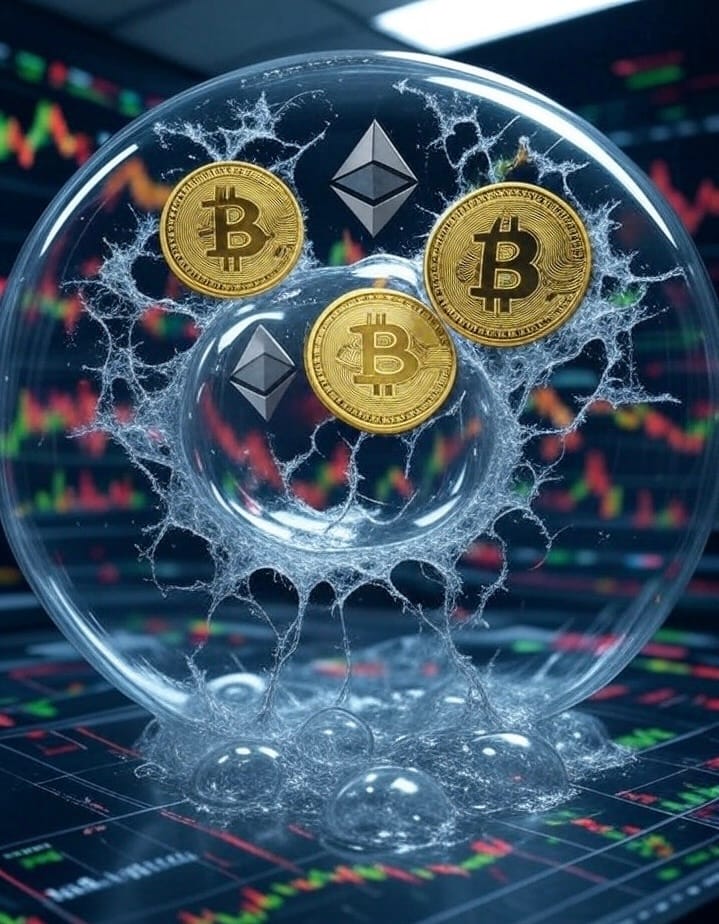
Cryptocurrencies have captivated investors with their meteoric rises and gut-punching crashes, but a critical question looms: Are they true currencies, or speculative assets teetering on the edge of a bubble? Unlike traditional currencies backed by sovereign nations, cryptos operate on decentralized networks, fueling both their allure and their risks. For investors, the proliferation of crypto exchanges has made trading easier but also amplified bubble-like dynamics. Here’s a deep dive into crypto’s value, the bubble debate, and how to navigate this volatile market.
What Makes a Currency?
Traditional currencies like the U.S. dollar or euro derive value from government backing, legal tender status, and widespread acceptance. They serve as:
- Medium of exchange: Used for everyday transactions.
- Store of value: Stable enough to preserve wealth.
- Unit of account: A consistent measure for pricing goods.
Cryptocurrencies, like Bitcoin and Ethereum, lack centralized control or sovereign backing, relying instead on blockchain technology and market trust. Critics argue this makes them unfit as true currencies, branding them speculative assets prone to bubbles. Proponents, however, see decentralization as a strength, offering freedom from government mismanagement and inflation.
Crypto’s Value Proposition
So, what drives crypto’s value? It’s a mix of technology, adoption, and market dynamics:
1. Blockchain Technology: Bitcoin’s fixed supply (21 million coins) positions it as “digital gold,” while Ethereum’s smart contracts power decentralized finance (DeFi) and apps like NFT marketplaces. These use cases provide tangible value.
2. Network Effects: The more users adopt a crypto, the more valuable it becomes. Ethereum’s ecosystem, with billions locked in DeFi, exemplifies this.
3. Scarcity: Bitcoin’s capped supply and Ethereum’s fee-burning mechanism create deflationary pressure, boosting value when demand rises.
4. Speculation: Let’s be honest—hype drives much of the market. X posts in 2025 often amplify FOMO, with retail investors chasing pumps in everything from Bitcoin to meme coins like Dogecoin.
The Bubble Risk
Crypto exchanges like Binance, Coinbase, and Kraken have made trading seamless, but they’ve also supercharged speculative behavior. Here’s why a bubble might be brewing:
- Speculative Frenzy: High-volume trading and leverage on exchanges can inflate prices beyond fundamentals. The 2021 bull run saw Bitcoin hit $69,000, only to crash below $17,000 in 2022.
- No Sovereign Backing: Without a government to enforce acceptance or stabilize value, cryptos rely on sentiment. A single event—like a major hack or regulatory clampdown—can trigger panic selling. The 2022 FTX collapse, wiping out billions, is a stark reminder.
- Overvaluation: Many coins, especially altcoins, trade at valuations unsupported by real-world use. X posts hyping obscure tokens with no utility often signal trouble.
- Liquidity Trap: Exchanges enable easy buying and selling, but this liquidity can fuel unsustainable price spikes, setting the stage for a crash.
Counterarguments: Why Crypto Isn’t Just a Bubble
Despite bubble risks, crypto has staying power:
- Growing Adoption: Bitcoin is legal tender in El Salvador, and Ethereum powers DeFi platforms handling billions. These niches show real-world utility.
- Hedge Against Fiat Risks: With U.S. debt at $33 trillion (per 2024 web data) and inflation concerns lingering, investors see crypto as a hedge against fiat devaluation.
- Resilience: Bitcoin has survived multiple crashes since 2009, and Ethereum’s upgrades (e.g., 2022’s Merge) bolster its credibility.
Still, without sovereign backing, widespread use as a currency remains elusive. Most merchants don’t accept crypto directly, and volatility deters everyday transactions.
Navigating the Market
For investors, crypto is a high-risk, high-reward play. Here’s how to approach it:
- Focus on Fundamentals: Prioritize projects with strong use cases, active developers, and adoption. Bitcoin and Ethereum are safer bets than unproven altcoins.
- Monitor Sentiment: X is a real-time gauge of retail investor mood. A flood of “to the moon” posts often signals a top.
- Watch Leverage: High margin trading on exchanges can precede crashes. Check platforms like CoinGecko for volume spikes.
- Regulatory Radar: A 2025 U.S. crackdown (e.g., stricter SEC rules) could tank prices. Stay updated via news and X discussions.
- Diversify and Limit Exposure: Don’t go all-in. Allocate a small portion of your portfolio to crypto to manage risk.
Bubble Warning Signs
To spot a potential bubble:
- Euphoria: X posts hyping massive gains or obscure coins are a red flag.
- Price-Fundamental Disconnect: If prices soar while adoption lags, beware.
- Leverage Spikes: Excessive borrowing on exchanges often precedes corrections.
- Regulatory Shocks: A major policy shift could trigger a sell-off.
The Bottom Line
Cryptocurrencies challenge the traditional notion of currency, offering decentralized value but lacking sovereign backing. Exchanges amplify their potential—and their risks—by enabling speculative trading. While a bubble is possible, especially in overhyped altcoins, projects with strong fundamentals could endure. For investors, discipline is key: research deeply, diversify, and stay vigilant for signs of euphoria. Crypto’s future is bright but volatile—tread carefully.
What’s your take on crypto’s bubble risk? Join the conversation on X or email us at @Dividenddesk !
Disclaimer: Cryptocurrency investments are high-risk. Always conduct your own research and consult a financial advisor before investing.