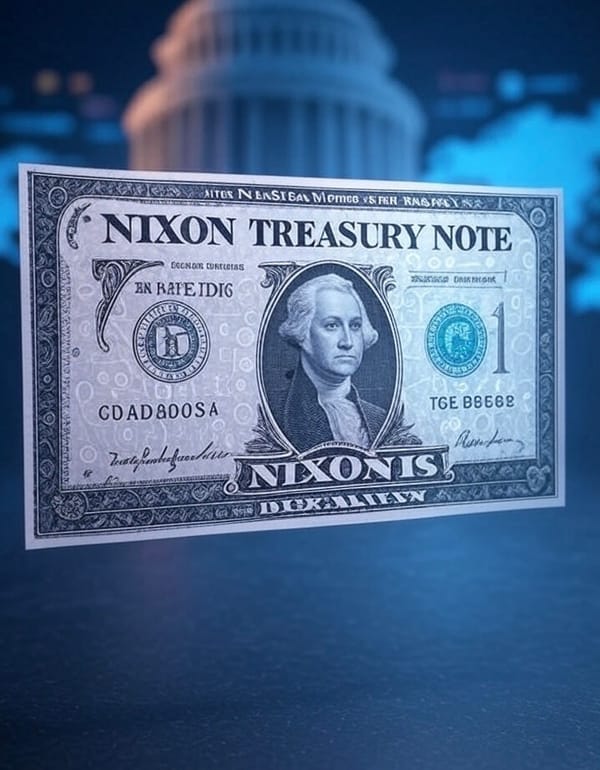
The Digital Dollar: A Centralized Currency by the Federal Reserve and Treasury

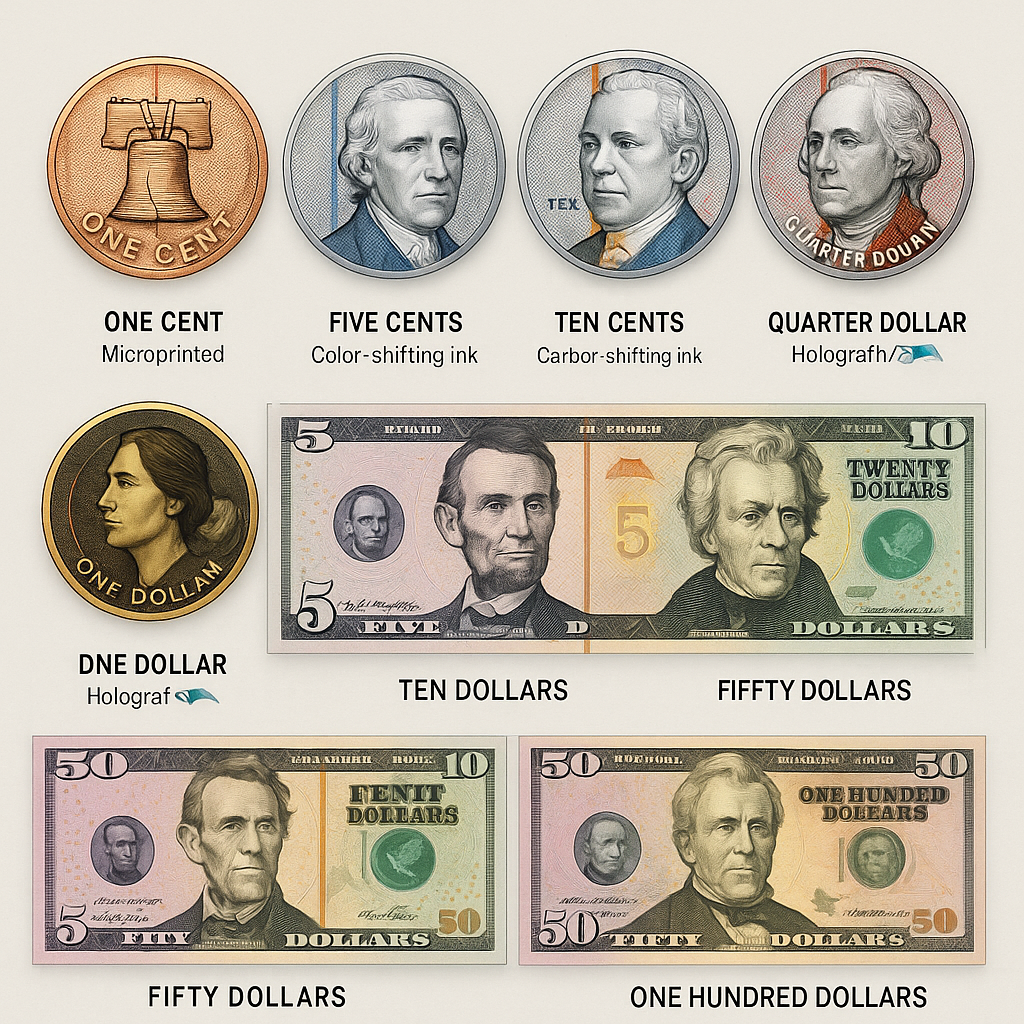
The digital dollar is on the horizon, poised to transform how we use money and make payments. Led by the Federal Reserve and Treasury, this centralized digital currency could streamline transactions, boost financial inclusion, and reshape the financial landscape.
What is the Digital Dollar?
The digital dollar is a proposed digital version of the U.S. dollar, issued and regulated by the Federal Reserve and Treasury. Pegged to the value of physical cash, it aims to combine the stability of traditional currency with the efficiency of digital technology.
How Would It Work?
The digital dollar would leverage blockchain technology—a secure, digital ledger—for fast, transparent, and reliable transactions. Unlike decentralized cryptocurrencies like Bitcoin, the digital dollar would be centrally controlled by the Federal Reserve and Treasury, ensuring oversight while enabling broad access through banks, apps, or digital wallets. It would integrate with existing payment systems, like bank transfers or credit card networks, for seamless use in everyday transactions.
Use Cases
The digital dollar offers several benefits:
- Streamlined Payments : Faster, cheaper transactions for both domestic and international payments, reducing reliance on slow systems like wire transfers.
- Increased Financial Inclusion: Access to digital banking for underserved communities, such as those without traditional bank accounts.
- Reduced Financial Crime Enhanced tracking to curb money laundering and fraud, with safeguards to detect suspicious activity.
Challenges and Opportunities
While promising, the digital dollar faces hurdles:
- Privacy Concerns : Centralized control means the government could access transaction data, raising concerns about surveillance. Privacy-protecting technologies, like encryption, will be critical.
- Security Risks: Cyberattacks, such as hacking or data breaches, could threaten the system. Robust cybersecurity measures are essential.
- Regulatory Uncertainty : New laws and standards will be needed to govern a digital currency, requiring coordination with financial regulators.
Real-World Examples
Other countries are already testing central bank digital currencies (CBDCs):
- China : The e-CNY, China’s digital yuan, is in use across major cities like Shenzhen and Beijing, with millions of transactions in retail and public services.
- Sweden : The e-Krona pilot is exploring digital payments in a nearly cashless society, testing integration with banks and mobile apps.
Designing the Digital Dollar
Creating a digital dollar requires careful technical and governance decisions:
- Blockchain Platform: A permissioned blockchain, like Hyperledger Fabric or Corda, would provide the security and control needed for a government-backed currency, unlike public blockchains like Ethereum.
- Security and Privacy: Technologies like zero-knowledge proofs could protect user data while allowing regulators to monitor for illegal activity.
- Regulatory Compliance: Built-in anti-money laundering (AML) and know-your-customer (KYC) protocols would ensure compliance with financial laws.
- Governance: The Federal Reserve would maintain centralized control, setting rules for issuance, access, and transaction limits to prevent fraud.
These choices balance efficiency, security, and regulatory needs, ensuring the digital dollar serves both individuals and the broader economy.
Conclusion
The digital dollar could redefine money, making payments faster, more inclusive, and more secure. While challenges like privacy and cybersecurity remain, its potential to modernize finance is undeniable. For those curious about the broader world of digital currencies, including decentralized alternatives, my book Debt Decentralized explores these topics in depth, offering insights into the future of finance.